
Centering equity in vaccine research: International Day of Women and Girls in Science 2026
Lack of equity in science is a wide-ranging and persistent issue that can be viewed through multiple lenses.
Worldwide, only about a third of scientific researchers are women, and if we look more closely, the ratio worsens at the upper levels of scientific hierarchies.
At the same time, there is a severe lack of global representation in where medical data is collected, and trials are conducted, and consequently, in what informs the preventive and treatment options available.
On International Day of Women and Girls in Science, we want to highlight the importance of tackling these inequalities in vaccine research and introduce some of the women scientists central to these efforts.
International efforts to tackle inequity in vaccine research
Vaccines are among the most effective and affordable public health tools, and they have saved millions of lives over the past 50 years. Despite their overall positive contribution to global health, some differences in effectiveness across different groups of people have been observed. Vaccine hyporesponsiveness, or suboptimal response to vaccines, has been observed mainly between low- and middle-income countries (LMICs) and high-income countries, as well as between rural and urban areas within LMICs. HypoVax Global, a research initiative hosted by Leiden University Medical Center, seeks to understand why these differences emerge.
A HypoVax Global publication highlighting vaccine hyporesponsiveness and the need for equitable partnerships to address it.
To study the reasons for different responses – which may include environmental factors, host genetics, lifestyle, and nutrition – researchers rely on diverse datasets to inform their analyses. A large majority of data concerning vaccine response, however, has come from studies done in high-income countries, while information from other parts of the world is scarce. Until now, this lack of diverse data has impeded researchers’ ability to identify definitive causes of hyporesponsiveness.
Aiming to address this issue and connect researchers seeking to understand differences in vaccine responses, the HypoVax Global team created a global knowledge hub. This platform mobilises global researchers to be part of a network focused understanding global immune variations with the ultimate goal of finding immunological and metabolic interventions to reverse vaccine hyporesponsiveness.
Projects such as WORMVACS2.0 are key to these efforts. This consortium aims to develop an effective pipeline for helminth vaccine development, focusing on schistosomes and hookworms, the cause of some of the world’s most devastating Neglected Tropical Diseases.
WORMVACS2.0 researchers are looking into the immune response to parasitic worm infections by conducting controlled human infection studies. Importantly, some of these are undertaken in endemic countries (Uganda and Gabon), ensuring that the newly collected data is representative of and applicable to populations that suffer most from these infections.
A WORMVACS2.0 publication focusing on glycosylation during pregnancy in Gabon.
Women researchers leading the way
Like most other scientific fields, vaccine research is also characterised by underrepresentation of women, especially in senior leadership positions. Aiming to address this imbalance, the HypoVax Global project hosts a mentorship programme for women in science. This year-long initiative pairs junior scientists with experienced mentors for coaching, including structured guidance, career development, and networking opportunities.
This year’s cohort includes several researchers – as contributors, mentors, and mentees in the programme – who also play essential roles in WORMVACS2.0.
Explore the gallery below to meet some of the women centering equity in vaccine research in HypoVax Global and WORMVACS2.0:
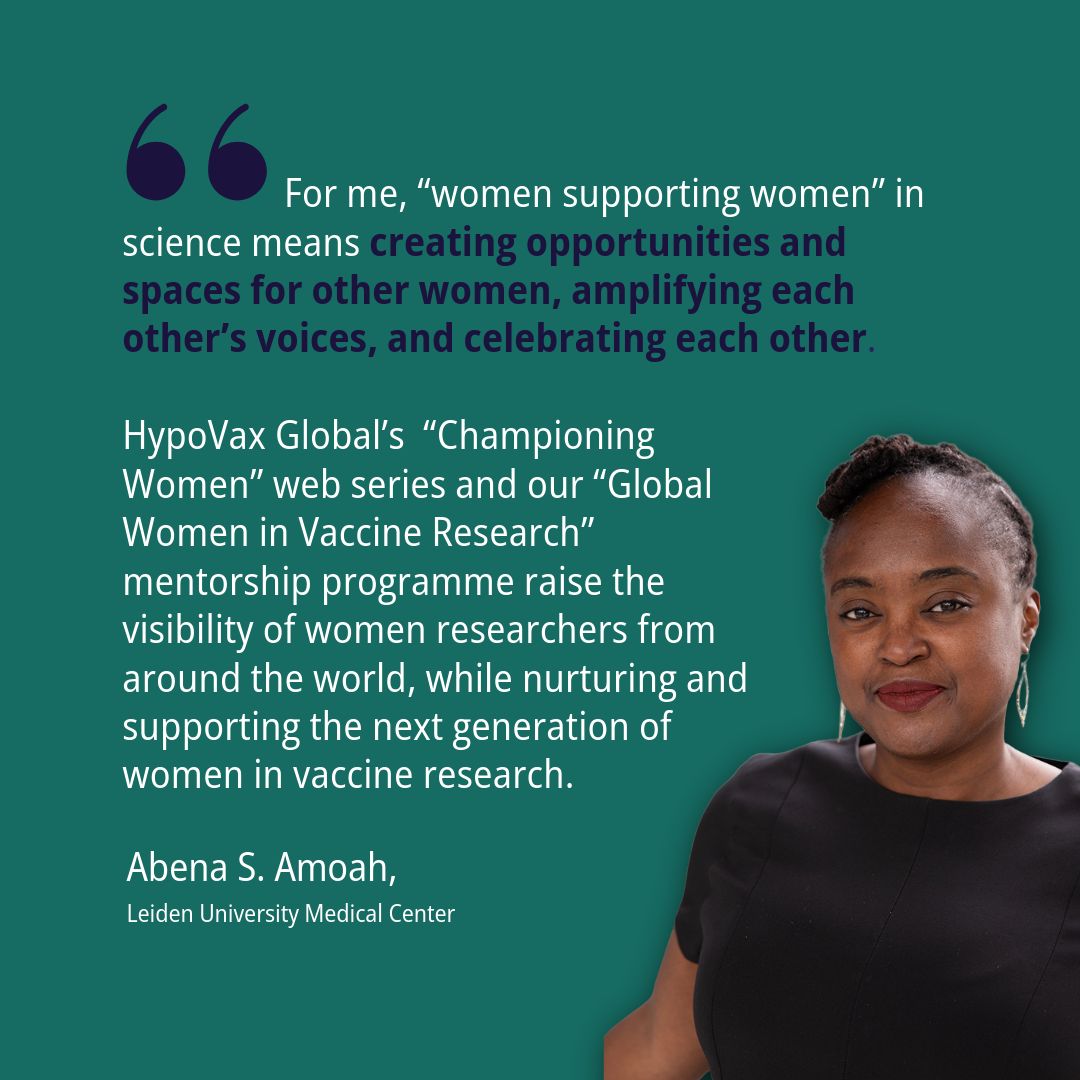
Abena S. Amoah
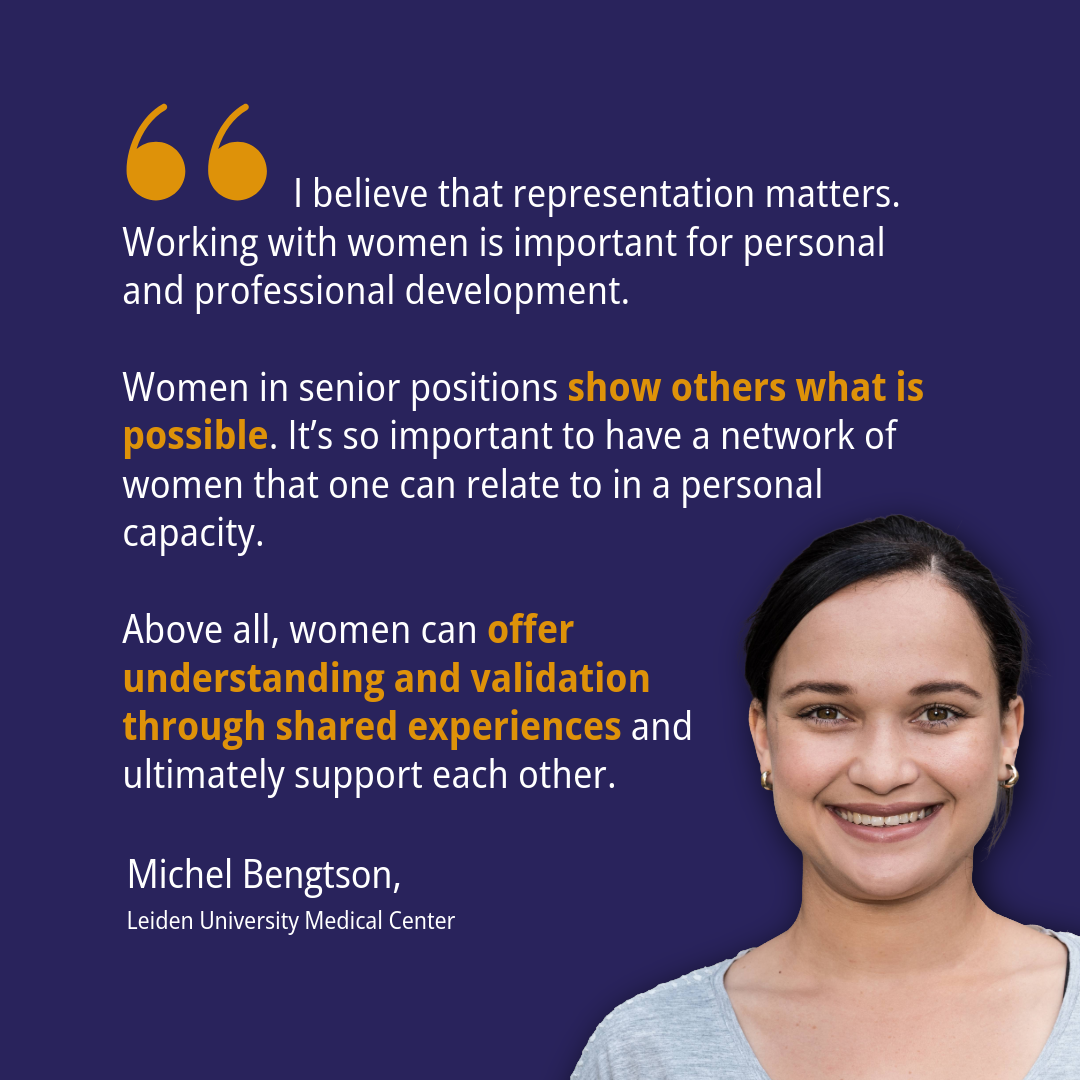
Michel Bengtson
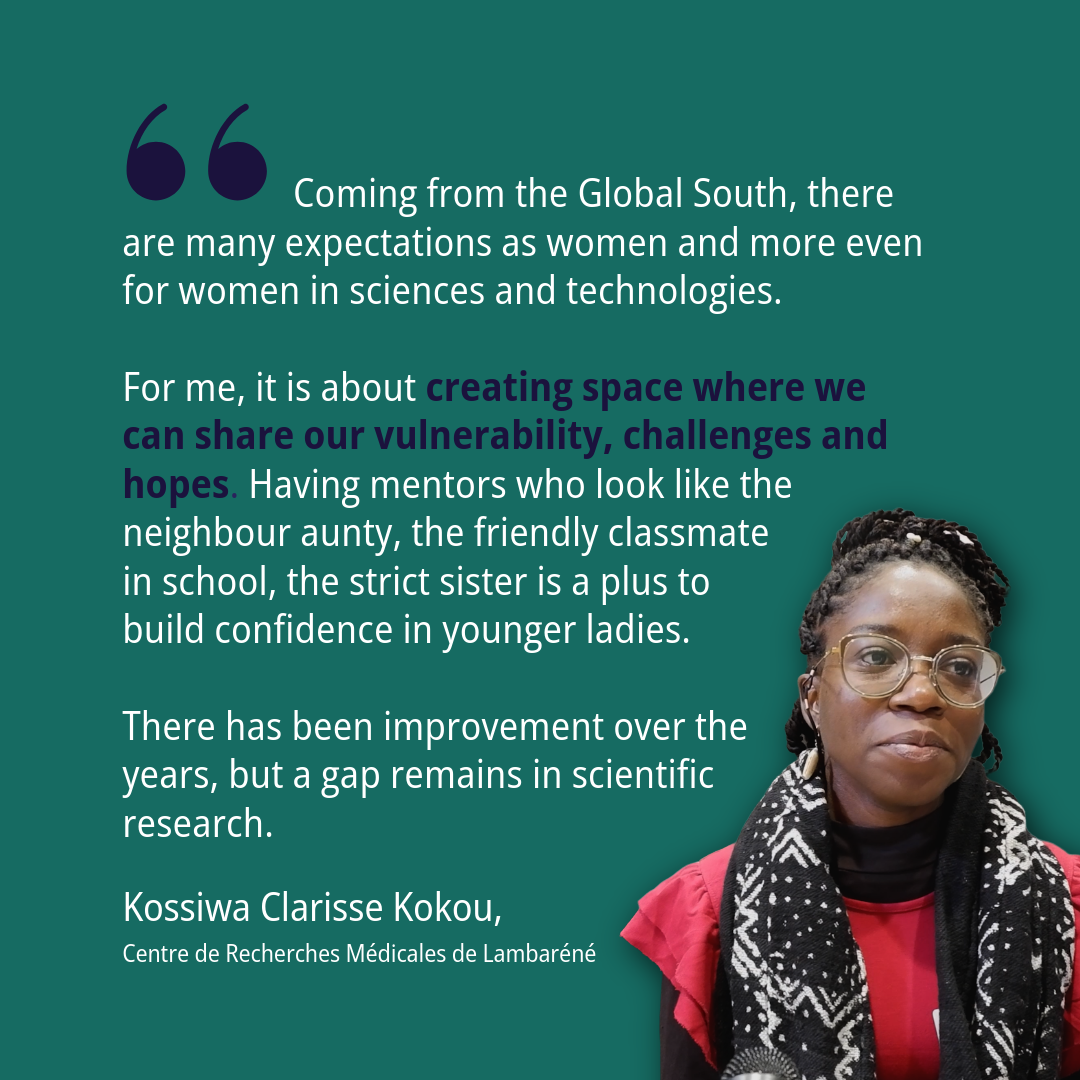
Kossiwa Clarisse Kokou
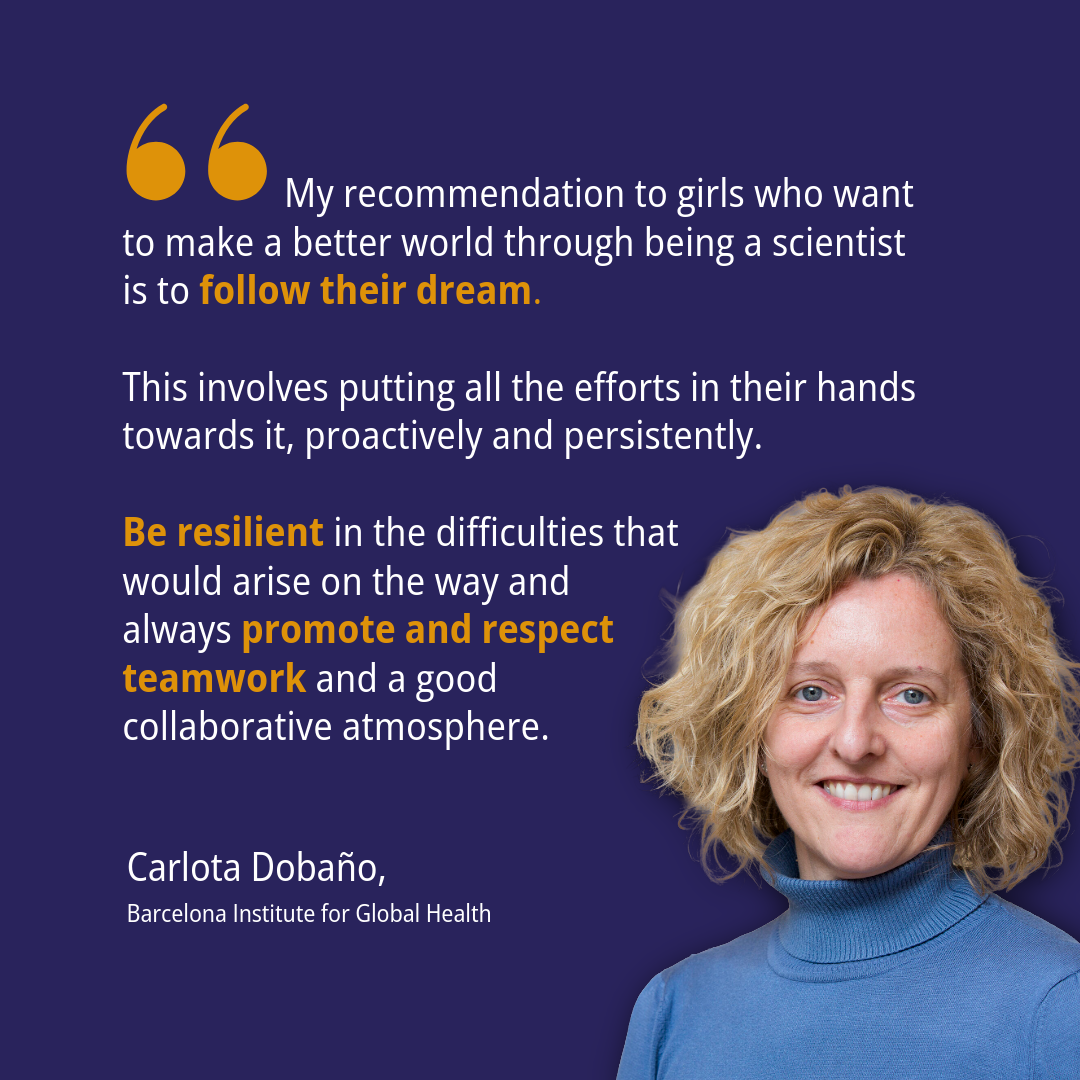
Carlota Dobaño
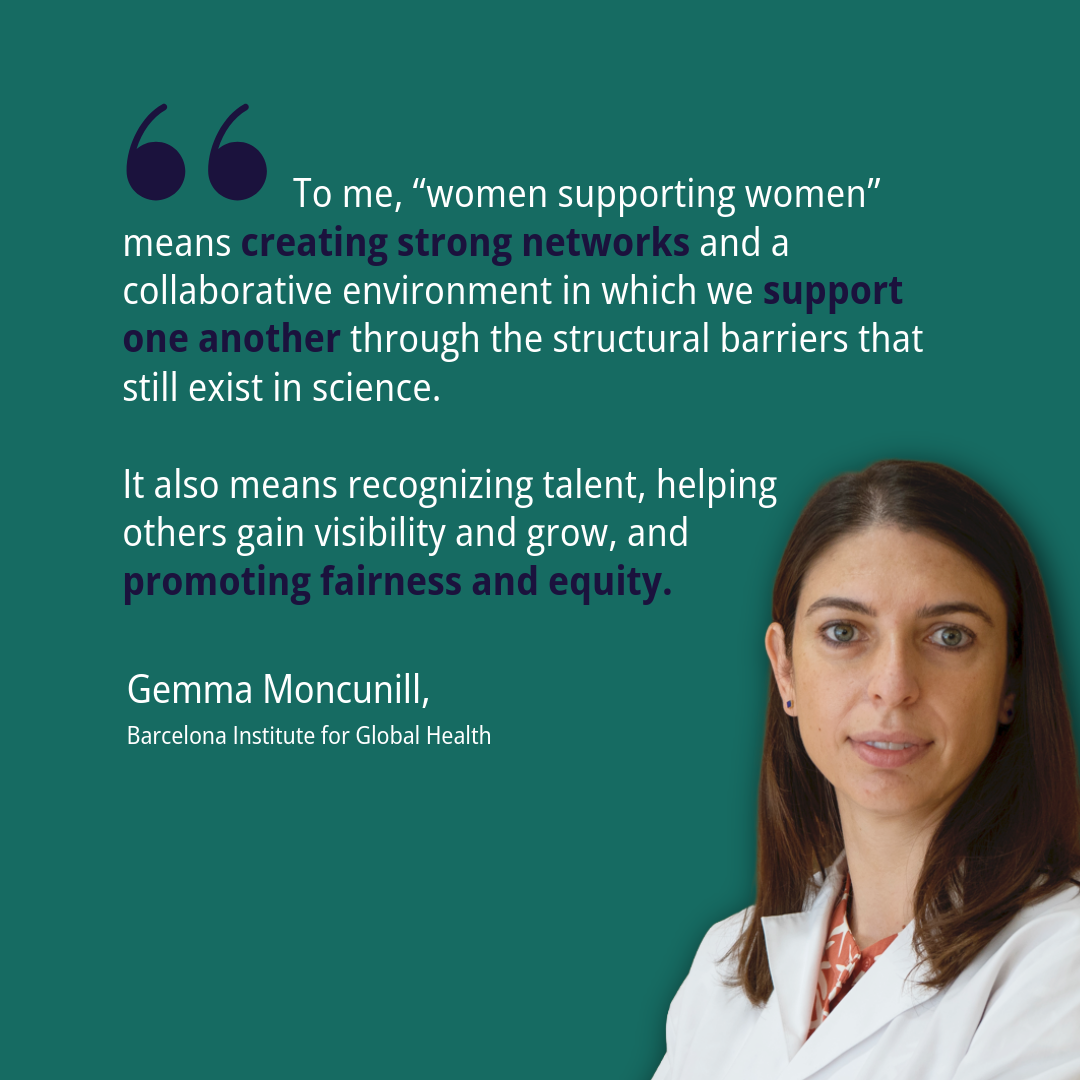
Gemma Moncunill
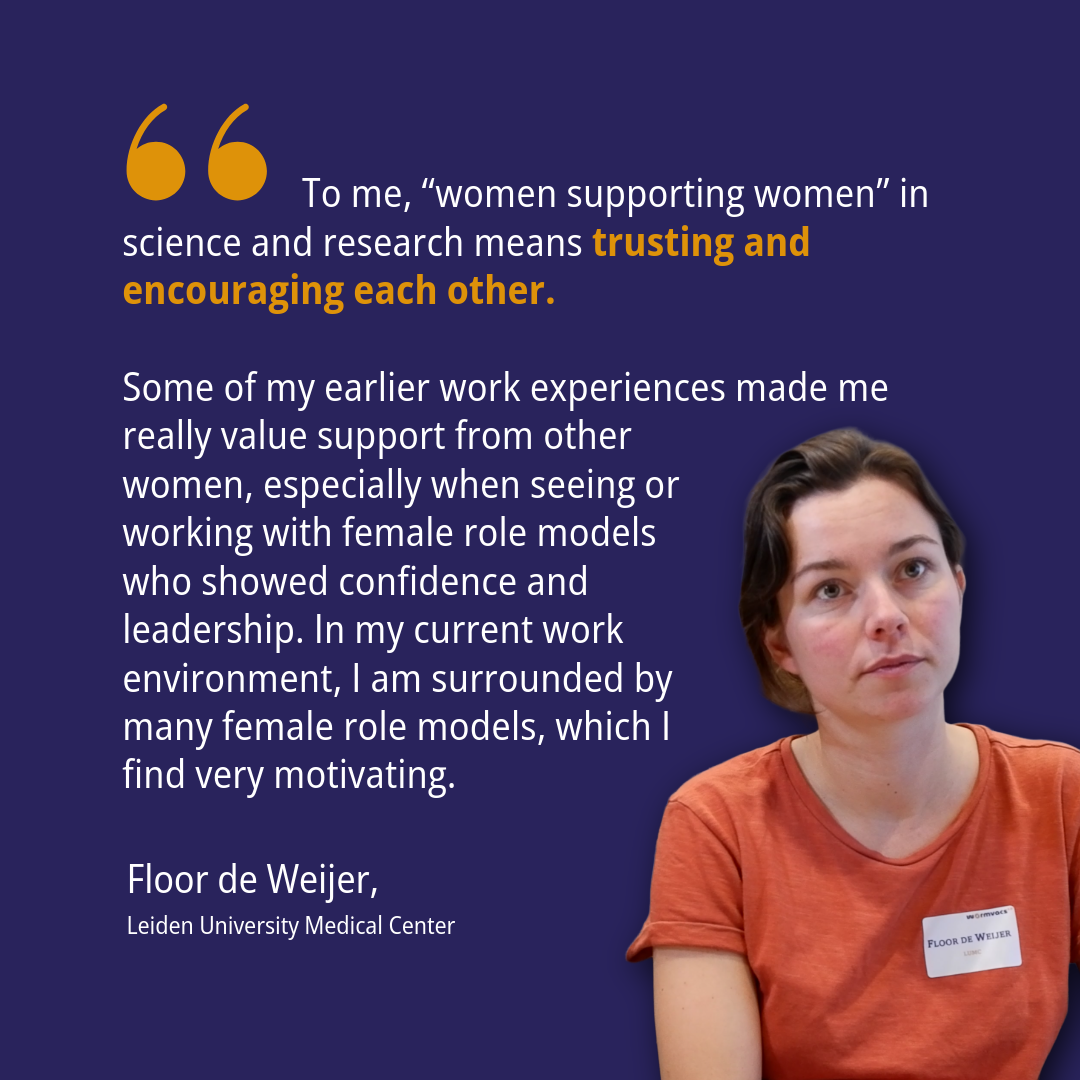
Floor de Weijer
You can follow latest updates from both projects on the HypoVax Global (https://hypovax.org/news/) and WORMVACS2.0 (https://www.wormvacs.org/news) news pages.